-
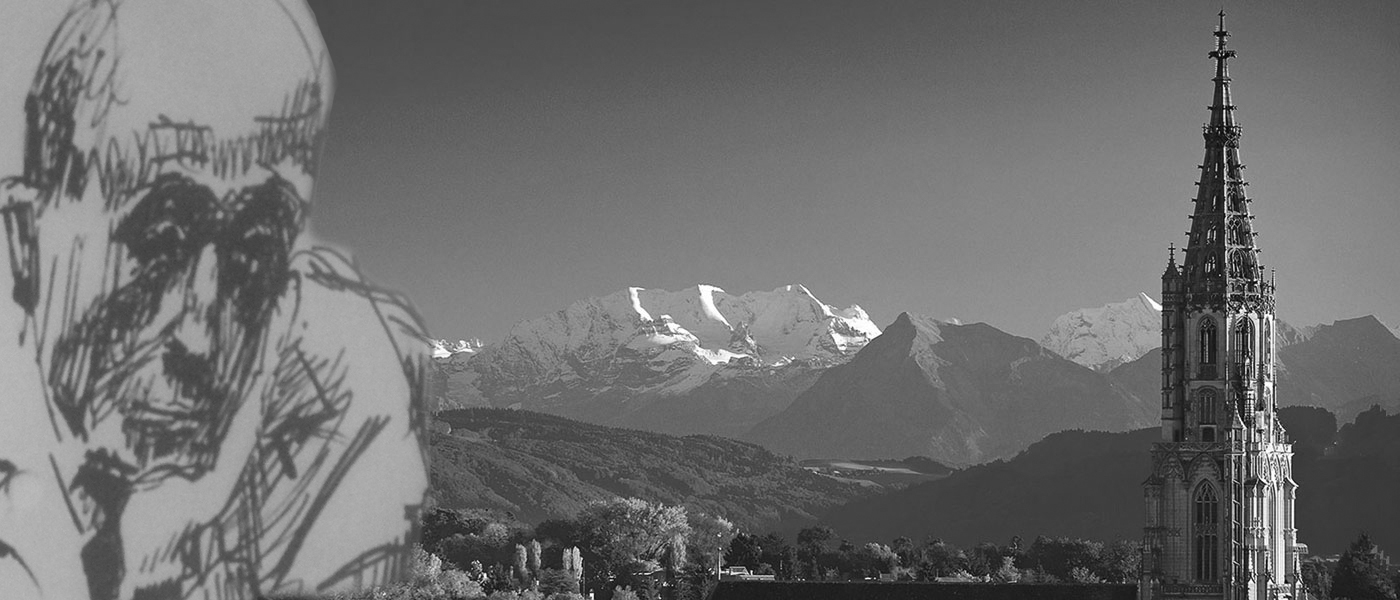 IN MEMORIAM DR. HABIB DAVANLOO MD 1927-2024
 -
 IS AN INTERACTIVE THERAPY METHOD DESIGNED TO HELP YOU EXPAND YOUR EMOTIONAL VOCABULARY AND ACCEPT YOUR EMOTIONAL WORLD. THE GOAL OF THE THERAPY IS TO GAIN MORE CONTROL OVER WHAT TRIGGERS YOUR FEELINGS AND HOW YOU RESPOND TO THEM.
 -
 HERE YOU WILL GET LATEST NEWS ABOUT THE NEXT EVENT AND ON FURTHER TRAINING OPPORTUNITIES IN IS-TDP.
 -
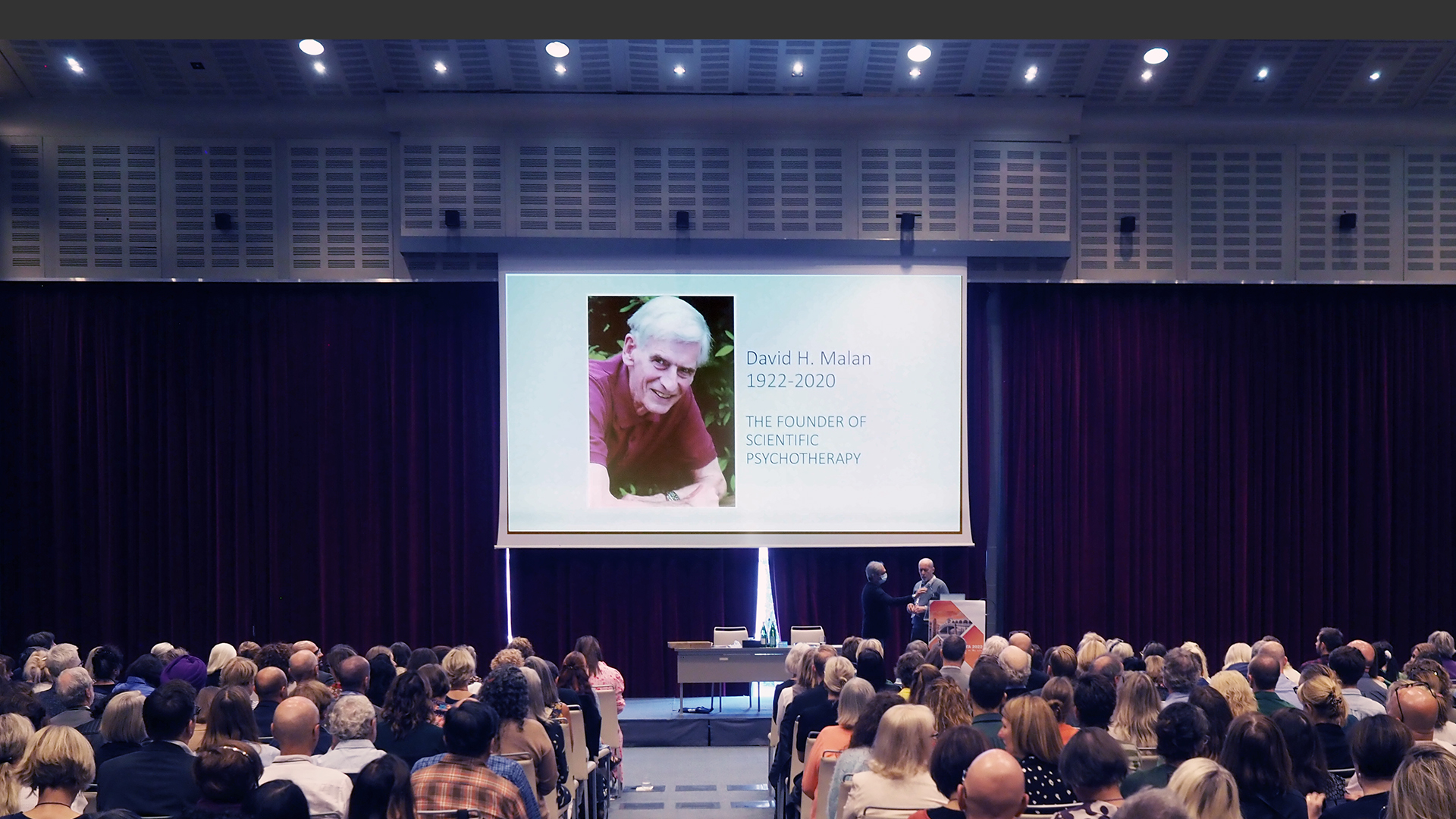 The father of the conflict and person Triangle

ON THE SITE OF THE GIK
The Swiss Society for intensive dynamic short-therm Psychotherapy
you will find further information about us and the IS-TDP Method.
“ IN ORDER TO HELP YOU BETTER ”

we focus on bringing you closer to your feelings and defence mechanisms and thus help you to find your balance again.
THE INNER BALANCE OF THE SOUL
ACCESS TO THE FEELINGS
NORMAL FEELINGS : ANXIETY / GUILT / SHAME
MINIMAL HARMFUL DEFENSES
Different ways lead there.
ST = SHORT-TERM
experiencing feelings should be achieved as bearable and as fast as possible.
D = DYNAMIC
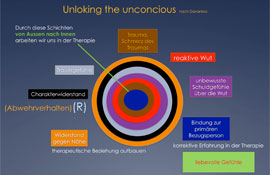
because the therapy works with unconscious forces and feelings of transmission.
P = PSYCHO - THERAPY
is the professional treatment of
- mental disorders
- psychologically caused physical disorders
by psychological means.
INTERESTED ?
If you have any further questions,
Onlineregistration & Prices of the next training
/*Aenderungen verstecken*/
CHF 400.-
- University Studentsof medicine and psychology
CHF 750.-
the language of training is
- English
- with English subtitles
3 days of meeting, celebrating and training
- *** 13.5 ***Creditsfor this trainingSGPP, SAPPM, FSP and SGAIM AtelierPsy&Psy
PAYMENT MODALITIES
To be paid30 days after receipt of the invoice
- We do not accept credit cards. The Payment can be made by e-banking.
Upcoming Trainings & Events
Our conference locations and transport
-
-
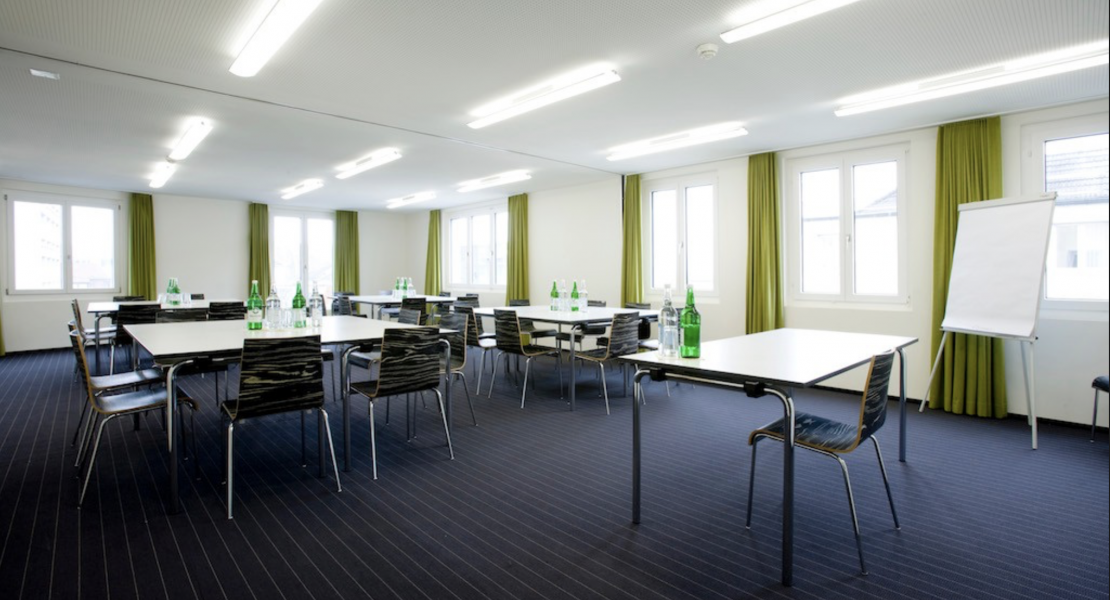 The seminar rooms are quietly located on the 5th floor. Bright and equipped with modern technical facilities, they offer the ideal setting for your meeting, training session, general assembly and many other events. We also have our EventCenter and our multifunctional Magazin event location directly opposite the hotel.Learn More
 -
 Learn More
your table - reserve a table
From the awakening espresso before the workshop to the strengthening menu at noon to the conciliatory nightcap after a long day of debate and reflection - the bistro Karl der Grosse takes care of you.
your room - rent rooms
-
 Learn More
At the gates of the city of Bern
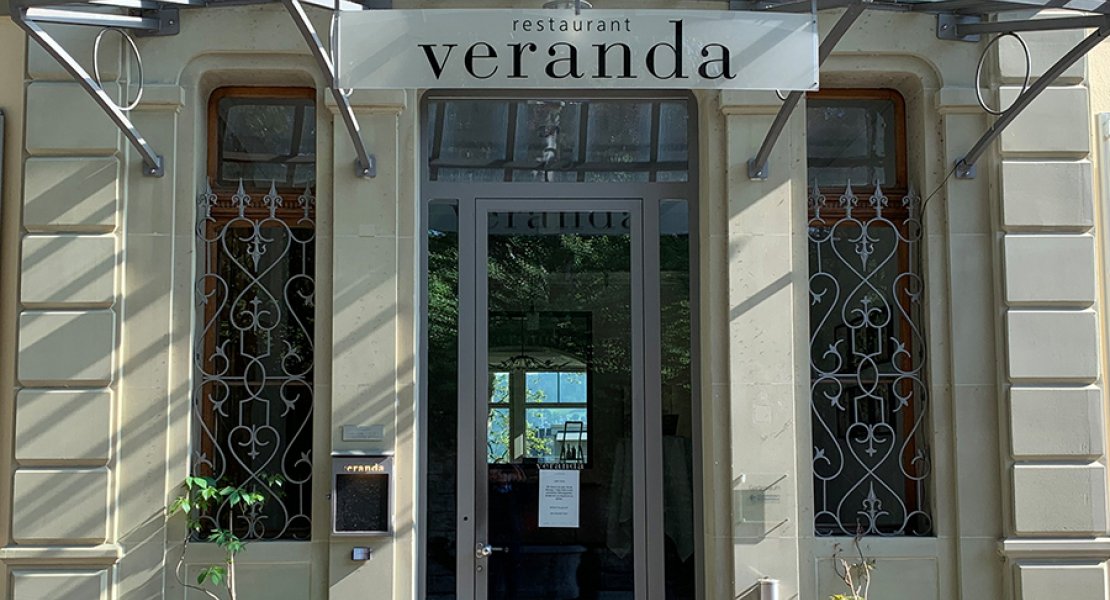
Close to the city center, a stone's throw away from the "wave" of the main train station, is the Veranda Restaurant. Despite its central location, it is a quiet oasis - a car-free area somewhat hidden by university buildings and behind the homely row of houses the Schanzeneck. It is an estate with an eventful history.

A new article about IS-TDP has been published in the Canadian Press.
Off work for 8 years, woman says she got her life back with unique kind of talk therapy.
with Video by Allan Abbass MD.
Externe Videopräsentationen
A Historical Overview of Davanloo’s ISTDP
This presentation was recorded on the 6th of May, 2022, at the Malmö Center for ISTDP.
Mikkel Reher-Langberg psychologist and president of the Danish ISTDP Society, offers an overview of Habib Davanloo’s publications and the historical development of his model of Intensive Short-term Dynamic Psychotherapy, ISTDP.
What people say about us
 psycholog, psychoterapeutka Warsaw Poland
A great seminar !!! We were helped to learn how to help patients who split modes and suffer because of devastating and poisoning projections. Allan, thank you . I wouldn’t miss vivid learning opportunity and seeing Alps in one ! Szwajcarzy jak zawsze gościnni !!!
 Dipl.-Psych. Ribnitz-Damgarten Germany
Da ist wirklich ein weltweites großes Meeting gelungen! Es war für mich auch toll, mit dabei zu sein. Inhaltlich war es sehr bereichernd für mich, hat den Horizont erweitert und Einsicht/Kenntnisse vertieft. Meine Anerkennung und Dank dafür! Alle guten Wünsche für kommende Projekte.
 Psicólogo Lisboa Portugal
Loved the seminars with Allan Abbass and the swiss team! Learned a lot each time and had fun within the contexts of meeting - created with care by the organization - enjoying the life in Bern together. Recommend it for sure. Grateful, João.
 Chartered Clinical Psychologist London
I have attended three events with Professor Allan Abbass run by the Swiss Society for ISTDP, in the lovely Swiss cities of Olten and Bern. I would highly highly recommend these trainings, the teaching is of the highest quality and the atmosphere is warm and friendly with excellent organisation.
BILDER ZUM JUBILÄUMSKONGRESS
Schloss Bümplizvom 21.-23. November 2014
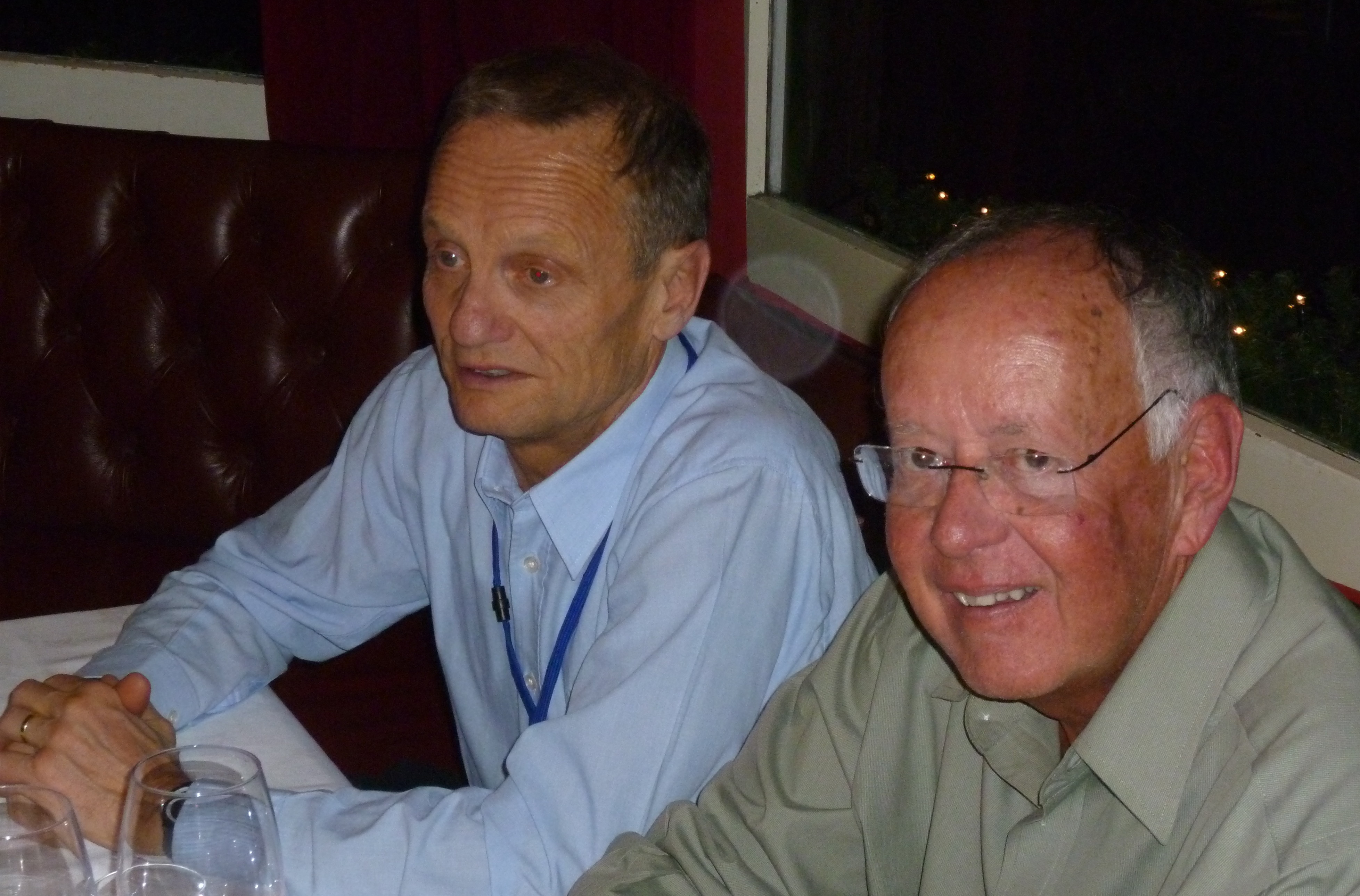
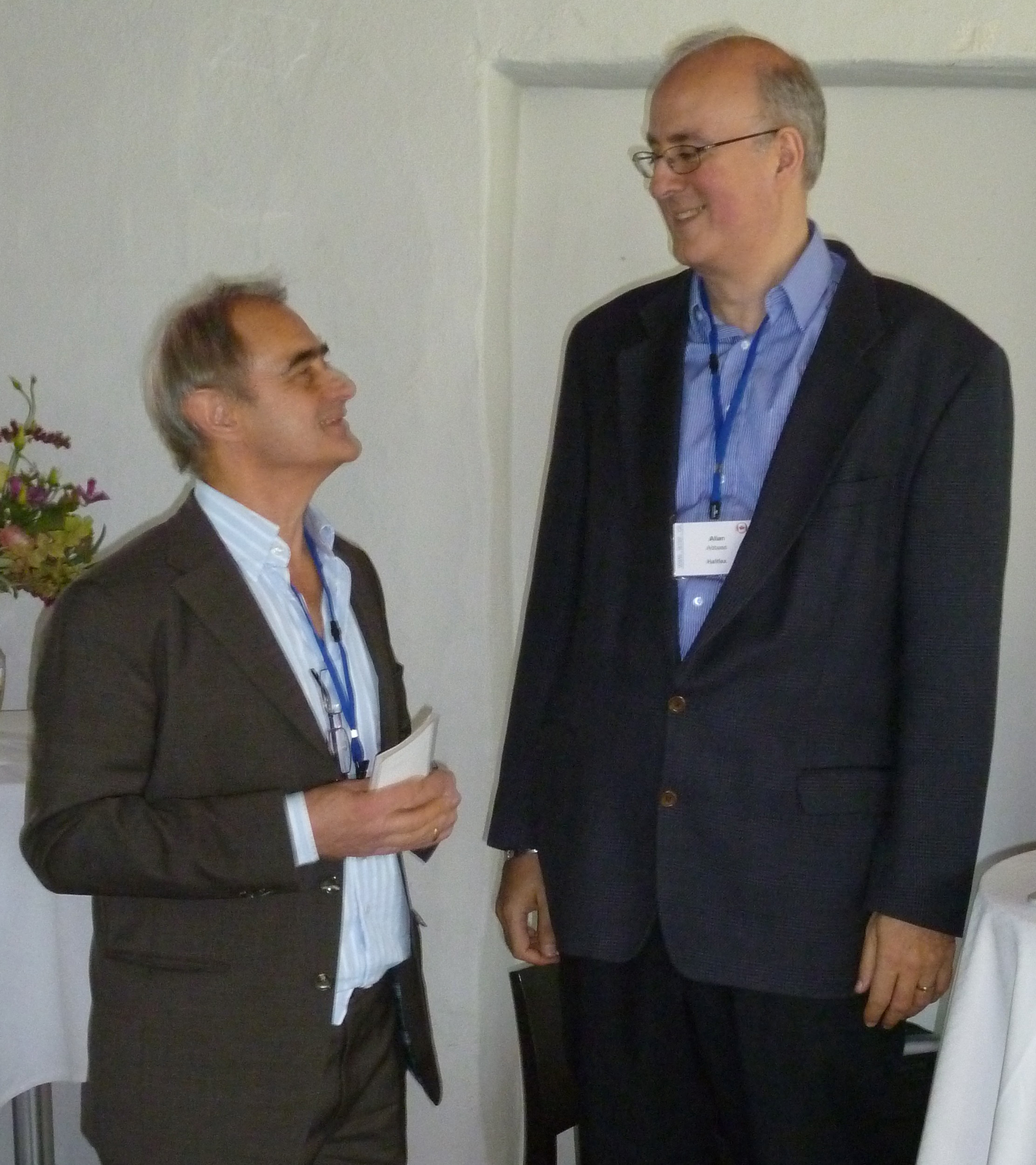
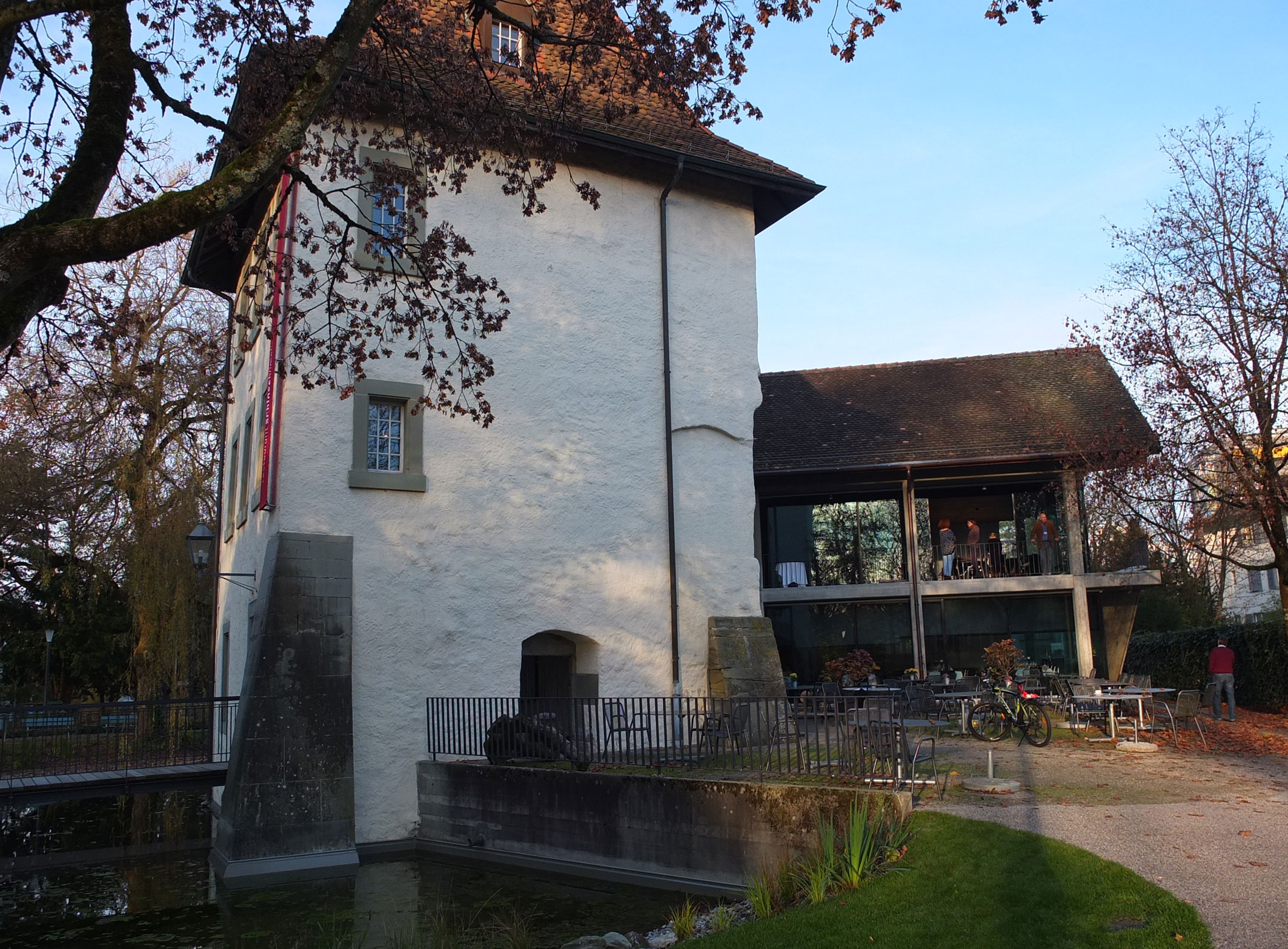
30 Jahre (GIK)schweizerische Gesellschaft für intensive Kurzpsychotherapie
IS-TDP IN A NUTSHELL / most statements in German
- immer der freie Wille und die Autonomie des Patienten angesprochen, d. h. der Patient entscheidet, ob er sein Problem weiter schleppen oder seine Kräfte mobilisieren will.Paul Troendlehängt entscheidend davon ab, ob die Abwehrmechanismen von Anfang an als ein echtes Hindernis in der Beziehung behandelt statt nur analysiert werden.Paul TroendleKlärung der patienteneigenen Neigung zur wiederholenden Selbstsabotage. („perpetrator“-Thema), z.B. einleitend: „how old are you...?.Paul TroendleMenschen, welche für die körperliche, seelische und geistige Entwicklung des Kindes massgeblich sind, d.h. die Eltern oder Mensch, die stellvertretend elterliche Funktionen übernehmen.Paul Troendlesehen oft keinen Zusammenhang zwischen ihren Körperbeschwerden und der Angst und Nervosität. Sie sagen: »Es ist nur körperlich. «Paul TroendleIn der ersten Begegnung mit dem Patienten fällt der Entscheid, ob Therapeut und Patient miteinander arbeiten wollen. Wie wird in dieser Situation der Druck appliziert, damit der Patient möglichst viel profitiert? Er soll nicht nur einen tieferen Einblick in seine Problematik der Angst und Depression bekommen, sondern auch verstehen, wie er selbst dazu beiträgt.Pierre-Alain EmmeneggerHabib Davanlooist die vornehmlich für depressive, fragile und psychosomatische Patienten modifizierte Standardtechnik, welche besonderes Gewicht dem Restrukturieren zumisst.Paul Troendleden Patienten in der Übertragung mit seinen Widerständen vertraut zu machen, die Widerstände in der Übertragung zu kristallisieren und in die Enge zu treiben und im Unbewussten des Patienten den Willen und die Kraft zur Heilung zu stärken, sodass er sich selbst gegen seine Selbstdestruktion wenden will.
 sind nicht nur ein mentaler Prozess, sondern sind ebenso physisch. Sie stellen sich im Körper dar.Allan AbbassUnbekannte und unbewusste Gefühle, Impulse und Gedanken können als psychische Bedrohung und als Gefahr empfunden und abgewehrt werden.Paul Troendlewenn die Angst eine strukturelle Form annimmt und das Zentralnervensystem (Hirnareale, welche Sehen, Hören, Selbstwahrnehmung, Denken usw. ermöglichen) überflutet.Paul TroendleFür weit hergereiste Patienten oder Ausbildungskandidaten bietet die Block- behandlung über einen oder mehrere Tage hin täglich mehrere Sitzungen an. Nach einem Intervall können weitere Blockbehandlungen stattfinden.TroendleAllan Abbass MDto help the person see - how feelings that are mobilized in present life experiences are complex - how these feelings are tied to past events, and - how they are manifest as increased somatic symptoms.Allan Abbass
 basiert auf dem Auftrag und dem Willen des Patienten, was immer wieder neu etabliert wird. Jegliche Entscheide und die Verantwortung des Patienten werden dem Patienten überlassen.Paul Troendleis very important, to constantly monitor the overall status of the person’s physical tension and involves watching the arms, chest wall and facial movements.sucht immer wieder die Homöostase herzustellen und mobilisiert dafür Abwehreinstellungen, –haltungen, -reaktionen und -überzeugungen. Das ist weitgehend ein unbewusstes Geschehen, um die Homöostase zu sichern. Solange dieser Prozess dem Bewusstsein entzogen ist, erkennt das Individuum nicht, wie sehr das Abwehrverhalten eine Krücke ist für das eigentliche Leben, die echten Gefühle, die Freiheit und Bezogenheit.Paul TroendleDurch die audiovisuelle Aufzeichnung kann der Therapeut während den Sitzungen seine volle Aufmerksamkeit dem Patienten zuwenden und ist von der Notwendigkeit befreit, Notizen zu machen.Paul TroendleMit Einverständnis des Patienten werden zur Selbstkontrolle des Therapeuten, zur Optimierung der Therapie, für die Nachkontrolle mit dem Patienten, für Lehrzwecke und für Follow-up-Studien alle Sitzungen audiovisuell festgehalten.Paul Troendleist jene Intervention, die Druck macht und gleichzeitig das Abwehrverhalten (nicht die Person des Patienten) in Frage stellt oder in Zweifel zieht und als dysfunktionales System entwertet. Die beiden Interventionsformen des Klärens und Herausforderns überschneiden sich, da die eine Form auch Elemente der anderen enthält.Paul Troendlewird weder durch Appelle noch durch kognitives Erklären von Zusammenhängen geweckt.Paul Troendlewird ein eruptives und meist aggressives Gefühl bezeichnet, das in seiner stärksten Ausprägung eine mörderische Wut ist.
(Der Impuls ist eine grundlegende physikalische Größe, die den mechanischen Bewegungszustand eines physikalischen Objekts charakterisiert. Der Impulsbegriff entwickelte sich aus der Suche nach dem Maß vorhandener „Menge an Bewegung“, die aller Erfahrung nach bei allen inneren Prozessen erhalten bleibt. Wikipedia)Paul Troendle, Lothar Matterthe actual experience of his true feelings about the past and the present.Habib Davanloo (1986)das Gewissen als Existential im Menschen angelegt und sichert das Überleben der Menschen, indem sie auf verweigerte Liebe und zugefügtes Unrecht mit schmerzlichen Gefühlen reagiert.Paul Troendlethe therapist has the greatest sympathy and respect for the patient, but shows neither sympathy nor respect to his defenses, but an atmosphere of considerable disrespectNeben dem bewussten und willentlichen Arbeitsbündnis ist vor allem der Aufbau der unbewussten Allianz für den Therapieerfolg ausschlaggebend. Die unbewusste therapeutische Allianz entsteht, indem der Patient durch Einsicht in die zerstörerische Auswirkung seiner Abwehrmechanismen mit dem Therapeuten zusammen eine Veränderung anstreben will.Troendle For example a low resistant person who has had a loss and has inexperienced grief, the treatment of simply to experience the grief. They are few defences in this population so you could argue that this is actually simply an emotion focussed treatment session or two to experience grief. In other populations to work is on handling syntonic systems of defence first and other populations it is on capacity building and then repeated unlocking of the unconscious to process and work through conflicts and losses.Allan Abbass MDkognitive, emotionale und interpersonale Strategien (Tricks, Handlungen, Haltungen, Wahrnehmungen, Gedanken, kognitive Prozesse), die der Patient meist unbewusst anwendet, um Angst auslösende Gedanken und Gefühle nicht bewusst werden zu lassen.Paul Troendlethe ability to experience affects and to regulate them adaptively.eine Konsequenz aus der Theorie und Technik und im Interesse des Patienten, für sich allein genommen aber kein ausreichendes therapeutisches Kriterium.
 bezeichnet die liebevolle Kern-Bindung, die frühesten gefühlsmässigen Bande der Nähe, die der Säugling und das Kleinkind durch ihre interaktiven und kommunikativen Fähigkeiten und aus einer angeborenen und überlebenswichtigen Neigung und Sehnsucht nach positiven Beziehungen zu ihren frühesten, bedeutsamen und vertrauten Bezugspersonen knüpfen.Paul TroendleWiderstand gegen emotionale Nähe
Widerstand gegen das Erleben des Impulses
Über-Ich-Widerstand
SelbstsabotagePaul Troendle why you are doing what you are doing. To say that’s what we do in ISTDP is not really a good answer. It has to be specific to the patient, given what you are seeing, what the problem and the goal is.als psychosomatischer Vorgang gleichzeitig durch körperliches und seelisches Erleben gekennzeichnet:
Wir sind nervös, verwirrt, hilflos, haben Ohnmachtsgefühle, Schwindelgefühle, Übelkeit oder müssen uns erbrechen.Paul Troendlethe actual experience of his true feelings about the past and the present.Habib Davanloo (1986)is very important, to constantly monitor the overall status of the person’s physical tension and involves watching the arms, chest wall and facial movements.
it's difficulty. It keeps me on my toes and I am forever learning and developing.Patricia Coughlin - Della Selvais the central agent producing somatization and other self-destructive processes. therefor, help your patients recognize and feel guilt about any rage toward loved ones or others in the past.As long as the defenses are in operation, we must keep helping the person both activate her feelings and interrupt her own defensesAllan Abbassbietet die Blockbehandlung über einen oder mehrere Tage hin täglich mehrere Sitzungen an. Nach einem Intervall können weitere Blockbehandlungen stattfinden.Paul Troendleinitiales Fördern einer UTA Unbewusste Therapeutische Allianz und den eigenen Willen. ("unconscious therapeutic alliance" und "own will to change“).Paul Troendlebezieht ihre Dynamik aus der Spannung einer intrapsychischen Krise.Paul TroendleMit diesem Begriff ist der Zeitpunkt und der Vorgang gemeint, in dem der Therapeut die mobilisierte Übertragung zum Thema macht und aktiv nutzt.G. Gottwikund die anderen limbischen Zentren verstehen Sprache als rein kognitives Kommunikationsereignis nicht, sondern nur die mit ihr verbundenen emotionalen Komponenten wie Prosodie, Mimik und Gestik, oder sprachlich ausgelöste emotionale Zustände wie bildliche Erinnerungen oder Vorstellungen.Paul Troendle
als psychosomatischer Vorgang gleichzeitig durch körperliches und seelisches Erleben gekennzeichnet: Das Denken ist beeinträchtigt, wir sind wie gelähmt und werden »dumm« oder die Konzentration erhöht sich und die Ressourcen werden für einen Aufbruch aktiviert.Paul Troendleist das Wahrnehmen und der Umgang mit unbewusster Angst und mit den eigenen Gefühlen.ist jene Intervention, welche die Gefühle und Widerstände aus dem Versteck herausholt, vom Patienten eine Stellungnahme fordert und die Verantwortung für den nächsten therapeutischen Schritt und damit die Aktivität zur Überwindung der Abwehren dem Patienten überlässt. Druck ermöglicht dem Patienten die Weiterentwicklung.Paul Troendle, Lothar Matterdem Patienten zu helfen, den Prozess der Repression zu stoppen und Gefühle wahrzunehmenAllan Abbassist die englische Abkürzung für Intensive Short-Term Dynamic Psychotherapy. Die Deutsche Übersetzung: Intensive Dynamische KurzzeitpsychotherapieHabib Davanloo M.D.ist vor allem der Aufbau der unbewussten Allianz für den Therapieerfolg ausschlaggebend.that while maintaining the greatest sympathy and respect for the patient, he has neither sympathy nor respect for the patient’s resistances, and conveys an atmosphere of considerable disrespect for the resistance. is to put the patient in touch with as much of his true feelings as he can bearDavid Malan
ist Nachdrücklichkeit in dem Sinn, dass der Therapeut den Patienten nicht entweichen lässt und er auf seiner Frage beharrt und nicht weitergeht, bis sie beantwortet ist.Paul Troendlezielt auf einen Anstieg der komplexen Übertragungsgefühle, mobilisiert, intensiviert, kristallisiert die Widerstände in der Übertragung und mobilisiert die unbewusste therapeutische Allianz.
is to put the patient in touch with as much of his true feelings as he can bearDavid Malan
ist Nachdrücklichkeit in dem Sinn, dass der Therapeut den Patienten nicht entweichen lässt und er auf seiner Frage beharrt und nicht weitergeht, bis sie beantwortet ist.Paul Troendlezielt auf einen Anstieg der komplexen Übertragungsgefühle, mobilisiert, intensiviert, kristallisiert die Widerstände in der Übertragung und mobilisiert die unbewusste therapeutische Allianz.
Druck beinhaltet alles, was dem Patient hilft sich weiter zu entwickeln.Paul Troendle, Lothar Matterwird der Mensch er selbst. In der Begegnung wird er auf die Probe gestellt, und in der Begegnung entscheidet sich, was an ihm echt ist. Seelische Probleme sind vor allem Beziehungsprobleme. der Patient entschlossen ist und den Willen hat, mit dem Therapeuten zusammen in einer gemeinsamen Anstrengung, alle seine Kräfte voll einzusetzen im Kampfe gegen seine Widerstände, die einer erfolgreichen Therapie und letztlich der Befreiung im Wege stehen.Paul Troendleentsteht, indem der Patient durch Einsicht in die zerstörerische Auswirkung seiner Abwehrmechanismen mit dem Therapeuten zusammen eine Veränderung anstreben will.Paul Troendle
it's difficulty. It keeps me on my toes and I am forever learning and developing.Patricia Coughlin - Della Selva
Rage is not in itself tension in the straited muscles. The rise in complex feelings build tension in the striated muscle generally progressing from the top of the body (neck to hands) downward. Then the somatic pathway of rage rises through the tension and displaces it at each level, replacing it with energy, heat and violent urges. So there is tone in the muscles but they are not clamped, rather are free to move with the energy/heat activating them.Allan Abbass MDals psychosomatischer Vorgang gleichzeitig durch körperliches und seelisches Erleben gekennzeichnet: Die Spannung ist in der Magengegend, in der Herzgegend, im Kopf, im Unterleib oder es schnürt uns die Kehle zu.Herausarbeiten verdrängter positiver Bindungserfahrungen und damit des hochemotionalen Bereiches von Schmerz und Schuld.Paul Troendleeinen enormen strukturellen Einfluss auf die Mikroanatomie und Neurophysiologie verschiedener Hirnzentren.
For example a low resistant person who has had a loss and has inexperienced grief, the treatment of simply to experience the grief. They are few defences in this population so you could argue that this is actually simply an emotion focussed treatment session or two to experience grief. In other populations to work is on handling syntonic systems of defence first and other populations it is on capacity building and then repeated unlocking of the unconscious to process and work through conflicts and losses.Allan Abbass MDis the inability to differentiate feelings in the body from anxiety, defense or thoughtsAs long as the defenses are in operation, we must keep helping the person both activate her feelings and interrupt her own defensesAllan AbbassConflicting feelings (F, "feeling") trigger anxiety (A, "anxiety/inhibition") and are therefore defended against (D, "defense"). These maladaptive reaction patterns were learned in dependency relationships from the past (P, "past person") and are repeated in current relationships (C, "current person"), maintained and transferred to the therapist (T, "therapist/transference").David H. Malanthat the best therapists have a method they are passionate about and skilled in applying in a systematic, yet flexible manner. What's essential is that the therapist believes in the method and masters it's application.habitual behaviors a person uses to control his emotions and interactions with othersAllan Abbassbedeutet frühzeitiger Druck auf alle Erscheinungsformen der Widerstände (gegenüber authentischem Leiden an der eigenen Neurose)Paul Troendlegibt keinen Anlass für omnipotente Erwartungen des Patienten und stellt sie in Frage. Er nimmt den Patienten als erwachsenen Menschen, der initiativ werden und seine Ressourcen aktivieren kann.Paul Troendledas bewusste oder unbewusste Zufügen von Zerstörung (reaktive Wut) und das Verweigern der Liebe genetisch wichtigen Personen gegenüber. In diesem Sinne ist die Schuldfähigkeit und die Schulderfahrung ein Existential und weder ein Teil der Über-Ich-Pathologie noch eine Abwehr.Paul Troendleein entschiedener und aktiver Verbündeter (und nicht ein geduldig zuhörender Kommentator) der gesunden Anteile des Patienten und dessen therapeutischer Allianz und ein ebenso entschiedener und furchtloser Gegner der Widerstände und der selbstsabotierenden und selbstbestrafenden Über-Ich-Pathologie des Patienten.
der Patient entschlossen ist und den Willen hat, mit dem Therapeuten zusammen in einer gemeinsamen Anstrengung, alle seine Kräfte voll einzusetzen im Kampfe gegen seine Widerstände, die einer erfolgreichen Therapie und letztlich der Befreiung im Wege stehen.Paul Troendleentsteht, indem der Patient durch Einsicht in die zerstörerische Auswirkung seiner Abwehrmechanismen mit dem Therapeuten zusammen eine Veränderung anstreben will.Paul Troendle
it's difficulty. It keeps me on my toes and I am forever learning and developing.Patricia Coughlin - Della Selva
Rage is not in itself tension in the straited muscles. The rise in complex feelings build tension in the striated muscle generally progressing from the top of the body (neck to hands) downward. Then the somatic pathway of rage rises through the tension and displaces it at each level, replacing it with energy, heat and violent urges. So there is tone in the muscles but they are not clamped, rather are free to move with the energy/heat activating them.Allan Abbass MDals psychosomatischer Vorgang gleichzeitig durch körperliches und seelisches Erleben gekennzeichnet: Die Spannung ist in der Magengegend, in der Herzgegend, im Kopf, im Unterleib oder es schnürt uns die Kehle zu.Herausarbeiten verdrängter positiver Bindungserfahrungen und damit des hochemotionalen Bereiches von Schmerz und Schuld.Paul Troendleeinen enormen strukturellen Einfluss auf die Mikroanatomie und Neurophysiologie verschiedener Hirnzentren.
For example a low resistant person who has had a loss and has inexperienced grief, the treatment of simply to experience the grief. They are few defences in this population so you could argue that this is actually simply an emotion focussed treatment session or two to experience grief. In other populations to work is on handling syntonic systems of defence first and other populations it is on capacity building and then repeated unlocking of the unconscious to process and work through conflicts and losses.Allan Abbass MDis the inability to differentiate feelings in the body from anxiety, defense or thoughtsAs long as the defenses are in operation, we must keep helping the person both activate her feelings and interrupt her own defensesAllan AbbassConflicting feelings (F, "feeling") trigger anxiety (A, "anxiety/inhibition") and are therefore defended against (D, "defense"). These maladaptive reaction patterns were learned in dependency relationships from the past (P, "past person") and are repeated in current relationships (C, "current person"), maintained and transferred to the therapist (T, "therapist/transference").David H. Malanthat the best therapists have a method they are passionate about and skilled in applying in a systematic, yet flexible manner. What's essential is that the therapist believes in the method and masters it's application.habitual behaviors a person uses to control his emotions and interactions with othersAllan Abbassbedeutet frühzeitiger Druck auf alle Erscheinungsformen der Widerstände (gegenüber authentischem Leiden an der eigenen Neurose)Paul Troendlegibt keinen Anlass für omnipotente Erwartungen des Patienten und stellt sie in Frage. Er nimmt den Patienten als erwachsenen Menschen, der initiativ werden und seine Ressourcen aktivieren kann.Paul Troendledas bewusste oder unbewusste Zufügen von Zerstörung (reaktive Wut) und das Verweigern der Liebe genetisch wichtigen Personen gegenüber. In diesem Sinne ist die Schuldfähigkeit und die Schulderfahrung ein Existential und weder ein Teil der Über-Ich-Pathologie noch eine Abwehr.Paul Troendleein entschiedener und aktiver Verbündeter (und nicht ein geduldig zuhörender Kommentator) der gesunden Anteile des Patienten und dessen therapeutischer Allianz und ein ebenso entschiedener und furchtloser Gegner der Widerstände und der selbstsabotierenden und selbstbestrafenden Über-Ich-Pathologie des Patienten.